
High-Elastic line
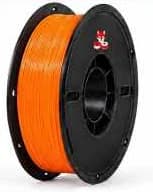
The PEBA upgrade. PEBA suffers from poor creep resistance and rebound; TOPFOX High-Elastic reaches 95%+ of PEBA's rebound — 90% of the performance at half the price.
- 55–65% rebound — 95%+ of PEBA's rebound
- Fixes PEBA's two weak spots: poor creep resistance & rebound
- 90% of PEBA's performance at half the price
Which shore hardness?
Same line, same formula — only firmness differs. See each hardness in a real print, then pick by what you're printing.
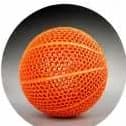
Parts needing strong rebound and low permanent deformation (e.g. high-rebound soles, elastic components).
3 hardness options — same line, pick your firmness
The PEBA upgrade
95%+ of PEBA's rebound — 90% performance at half the price
Four common pitfalls, solved
Know the cause before it happens.
Moisture
Stringing
Soft-filament feeding
Layer adhesion
Which line is right for you?
Three lines, three tuning directions — pick what matters most.
| Line | Speed | Hardness | Core goal | Action |
|---|---|---|---|---|
| Fast (Standard) | 140 mm/s | 95A / 90A / 85A / 80A | Reliable, with speed | View → |
| Ultra-Fast (High-Speed) | 240 mm/s | 95A / 90A / 85A | Maximize print speed | View → |
| Soft (Flexible) | >40 mm/s | 75A / 70A / 65A | Soft & skin-friendly | View → |
| High-Elastic (Rebound)Current | 120 mm/s | 95A / 95A Pro / 95A Pro+ | High rebound, deformation-resistant | You're here |
| AMS Edition | 140 mm/s | 95A / 68D | Bambu AMS compatibility | View → |
Speed data is based on TOPFOX lab tests. Actual results depend on the printer, model geometry and slicing parameters.
Specification
Downloads
Files coming soon
Test basis
Certified data and reports — to be published.
- Tensile strength
- TBD
- Elongation at break
- TBD
- Rebound rate
- TBD
- Batch consistency
- TBD
- Certifications (REACH / RoHS)
- TBD
FAQ
How to store TPU filament?
What is the shelf life of TPU?
Can I mix TPU from different brands?
Can TPU prints be post-processed?
Is TPU resistant to oil and chemicals?
Feel it before you commit
Request a High-Elastic line sample and experience the print quality yourself.